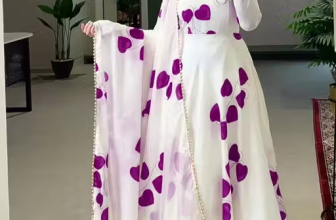
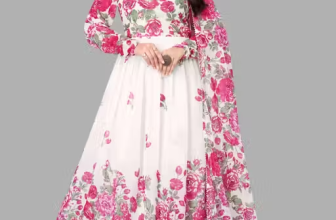
Women Banarasi Jacquard Saree – The Epitome of Indian Elegance and Royal Craftsmanship just 300.

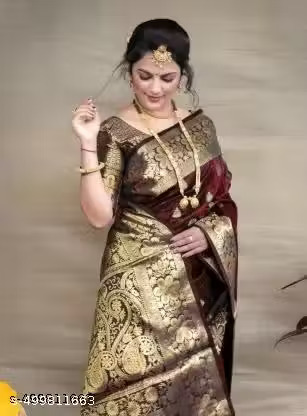
Woven Banarasi Jacquard Saree
Banarasi Jacquard Saree India is a land of traditions, colors, and craftsmanship, where every thread tells a story. Among the many treasures of Indian textiles, the Banarasi Saree stands as a timeless masterpiece — a symbol of opulence, grace, and cultural heritage. Among the diverse variants, the Woven Banarasi Jacquard Saree shines as a modern marvel that perfectly blends ancient artistry with contemporary weaving technology.
From grand weddings to festive celebrations, this saree has always been a top choice for women who wish to exude sophistication while embracing Indian tradition. Let’s explore the enchanting world of Woven Banarasi Jacquard Sarees — their history, craftsmanship, designs, cultural significance, styling tips, and reasons why they are a must-have in every woman’s wardrobe.
1. The Legacy of Banarasi saree Weaving – A Journey Through Time
The roots of Banarasi sarees can be traced back several centuries to the ancient city of Varanasi (Banaras) — one of the oldest continuously inhabited cities in the world. Known for its spiritual significance and artistic excellence, Varanasi became the cradle of one of India’s most exquisite weaving traditions.
The Banarasi saree originally evolved during the Mughal era, when Persian motifs and Indian artistry merged to create intricate designs in gold and silver zari. The sarees became a favorite among royal families and aristocrats for their grandeur and elegance.
The introduction of Jacquard weaving techniques in later years revolutionized Banarasi saree craftsmanship. The Jacquard loom, invented by Joseph Marie Jacquard in the early 19th century, allowed complex patterns to be woven directly into the fabric, making the process more efficient while retaining the handcrafted look and feel.
Thus, the Woven Banarasi Jacquard Saree represents a perfect harmony between heritage and innovation — a tribute to the past and a nod to modern artistry.
2. Understanding the Banarasi saree Jacquard Weaving Technique
To truly appreciate a Banarasi Jacquard saree, it’s essential to understand the intricacy of its weaving process. These sarees are woven on Jacquard looms, where each thread is carefully lifted to create the desired pattern.
The process includes:
- Designing the pattern digitally or by hand.
- Punching cards that correspond to the pattern — each hole determines how threads are lifted.
- Mounting the cards on the Jacquard loom to guide the weaving.
- Weaving the fabric using silk, zari (metallic thread), and sometimes cotton blends for texture and comfort.
The result is a saree that showcases complex floral motifs, paisleys, geometric designs, and temple borders that are both luxurious and durable.
Every inch of the saree radiates meticulous craftsmanship — a celebration of color, culture, and creativity.

3. Materials and Fabrics Used in Woven Banarasi Jacquard Sarees
Traditionally, Banarasi sarees were woven in pure silk with gold and silver zari threads. However, modern variations use a variety of materials to cater to different preferences, budgets, and occasions.
a. Pure Katan Silk
This is the most premium fabric, characterized by its smooth, lustrous texture. Pure Katan Banarasi Jacquard sarees are lightweight yet regal, often chosen for weddings and grand occasions.
b. Organza (Kora) with Zari and Silk
This type is sheer and delicate, adorned with zari and silk threads that create an ethereal, shimmering effect — ideal for festive celebrations.
c. Georgette and Satin Weaves
Soft, flowy, and versatile, these are perfect for modern women who seek comfort without compromising on elegance.
d. Cotton-Silk Blends
For everyday wear or semi-formal events, the cotton-silk Banarasi Jacquard sarees offer a blend of breathability and charm.
Each variation carries the same traditional essence but offers unique comfort, texture, and drape.
4. The Signature Designs and Motifs of Banarasi Jacquard Sarees
The artistry of Banarasi Jacquard sarees lies in their exquisite motifs, which have evolved over time while retaining their traditional soul.
a. Floral and Foliage Patterns (Kalga and Bel)
These are among the oldest and most recognizable motifs, inspired by Mughal gardens. They symbolize beauty, fertility, and grace.
b. Paisley Motifs (Ambi)
The timeless teardrop-shaped paisley represents eternity and prosperity — a favorite for bridal sarees.
c. Jaal and Butidar Work
These sarees have all-over patterns, creating a net-like (jaal) or dotted (butidar) texture. Each dot or motif sparkles with zari, adding richness.
d. Temple and Architectural Borders
Inspired by Indian temples, arches, and monuments, these sarees reflect cultural heritage and structural elegance.
e. Contemporary Designs
With the influence of modern fashion, designers now integrate digital jacquard patterns, metallic hues, and minimalist borders, giving the Banarasi saree a global appeal.

5. Colors that Define the Banarasi Jacquard Saree
Color plays a powerful role in enhancing the beauty of a saree. Traditional Banarasi sarees often came in deep reds, royal blues, golds, and greens — hues that symbolized prosperity and festivity.
However, the modern Banarasi Jacquard saree now comes in a kaleidoscope of colors:
- Classic Red & Gold – Perfect for brides and festive ceremonies.
- Ivory & Silver – Elegant and minimal, ideal for receptions or formal gatherings.
- Emerald Green, Royal Blue, and Magenta – Rich jewel tones for celebrations.
- Pastels and Nudes – Trendy and soft, perfect for daytime events or corporate parties.
- Black and Maroon – Timeless choices for evening wear.
Each shade tells its own story, reflecting mood, occasion, and personal style.
6. Styling the Woven Banarasi Jacquard Saree
One of the reasons Banarasi sarees never go out of style is their incredible versatility. Whether it’s a traditional wedding, festive gathering, or formal event, you can style them in endless ways.
a. Traditional Bridal Look
Pair a red or maroon Banarasi Jacquard saree with a heavy gold necklace set, jhumkas, and bangles. A neatly tied bun adorned with gajra completes the royal bridal ensemble.
b. Modern Minimalist Look
Choose pastel or ivory shades and pair them with sleek silver jewelry or pearl accessories. Keep makeup minimal for an elegant, sophisticated vibe.
c. Festive Glamour
Opt for vibrant hues like royal blue or emerald green, with a contrasting blouse. Add a bindi, potli bag, and heels for a festive-ready appearance.
d. Office or Semi-Formal Wear
A light Banarasi Jacquard saree in subtle tones paired with oxidized jewelry or statement earrings gives a perfect blend of ethnic charm and professionalism.
e. Fusion Fashion
For a modern twist, drape your Banarasi saree with a belt, crop-top blouse, or jacket-style blouse. Mix traditional and western accessories for a chic Indo-fusion look.

7. The Cultural and Emotional Value of Banarasi Sarees
Owning a Banarasi saree is not merely about fashion — it’s about heritage and emotion. For many Indian women, a Banarasi saree marks significant milestones in life — a wedding gift, a festive heirloom, or a symbol of family legacy passed from one generation to another.
In many Indian households, mothers lovingly preserve their Banarasi sarees in trunks, wrapped in soft muslin, to gift them to their daughters during weddings. The saree becomes a bond between generations, representing tradition, artistry, and emotion.
Moreover, Banarasi saree weaving sustains thousands of artisan families in Varanasi and nearby regions. Every purchase supports the livelihood of these skilled craftsmen, ensuring that their art continues to thrive.
8. How to Identify an Authentic Woven Banarasi Jacquard Saree
With the popularity of Banarasi sarees, the market is flooded with replicas. Here are some tips to help you identify an authentic piece:
- Check the Back of the Saree:
In genuine Banarasi sarees, you can see floating threads or zari work at the back, unlike printed or machine-made designs. - Zari Quality:
Pure zari is made of silver and gold-coated threads. Artificial zari looks dull and may fade quickly. - Weaving Precision:
Authentic sarees have intricate detailing and even weaving — a mark of skilled craftsmanship. - GI Tag Mark:
Genuine Banarasi sarees come with a Geographical Indication (GI) tag, guaranteeing authenticity and origin from Varanasi. - Touch and Texture:
Real silk Banarasi sarees feel soft and luxurious, whereas synthetic ones feel coarse or slippery.
Investing in an authentic piece ensures you own a timeless treasure, not just a garment.
9. Caring for Your Banarasi Saree
To keep your saree looking new for years, proper care is essential.
- Dry Clean Only: Avoid washing at home as zari and silk are delicate.
- Store in Muslin Cloth: This allows the fabric to breathe and prevents tarnishing of zari.
- Avoid Direct Sunlight: Store in a cool, dry place.
- Refold Periodically: To prevent permanent creases, refold your saree every few months.
- Avoid Sprays and Perfumes: Chemicals can damage the zari and silk fibers.
With love and care, your Banarasi saree will remain as radiant as the day you bought it.
10. Why Every Woman Should Own a Woven Banarasi Saree
Owning a Banarasi saree is like owning a piece of India’s artistic soul. It’s not just about fashion — it’s about identity, heritage, and pride.
Here’s why it’s a must-have:
- Timeless Beauty: Trends come and go, but Banarasi sarees remain evergreen.
- Versatile Appeal: Suitable for weddings, festive functions, and formal events.
- Cultural Heritage: Represents centuries of Indian artistry and craftsmanship.
- Luxurious Craft: The jacquard weaving adds precision and elegance.
- Heirloom Value: A treasure to pass on to future generations.
Whether you are a bride, a professional, or a saree enthusiast, the Woven Banarasi Jacquard Saree effortlessly complements every occasion and personality.
11. Modern Interpretations – The Contemporary Banarasi Saree
Fashion designers today are reimagining the Banarasi saree for modern women. They combine traditional weaving with contemporary silhouettes, digital jacquard motifs, and minimalist aesthetics.
Some trends include:
- Banarasi saree lehenga sarees – perfect for weddings.
- Banarasi fusion gowns – ideal for parties or receptions.
- Banarasi dupattas and stoles – versatile accessories for Indo-western outfits.
This blend of old and new keeps Banarasi saree weaving relevant in global fashion, admired by celebrities and designers alike.
12. Celebrities and Banarasi Saree Love
From Bollywood divas to global icons, the Banarasi saree has always been a red-carpet favorite. Celebrities like Deepika Padukone, Vidya Balan, Rekha, and Priyanka Chopra have often worn stunning Banarasi sarees for events and weddings.
Their love for the traditional yet elegant drape has inspired countless brides and women across the world to embrace this beautiful piece of heritage.
13. The Future of Banarasi saree Jacquard Weaving
With modernization, many artisans have started adopting digital jacquard looms, enabling them to create more intricate designs efficiently while maintaining the soul of handweaving. Government initiatives, design workshops, and e-commerce platforms are helping revive the Banarasi saree weaving industry, ensuring that this ancient craft continues to flourish for generations.
Conclusion – A Timeless Tale Woven in Gold and Silk
The Woven Banarasi Saree is not just a piece of clothing — it’s an emotion, a story, and a symbol of India’s enduring artistic brilliance. Each saree captures the essence of royal heritage, devotion, and craftsmanship, woven lovingly by skilled artisans of Varanasi.
Whether you drape it for a wedding, festive gathering, or cultural event, the Banarasi saree never fails to make you feel like royalty. It’s a celebration of tradition that transcends time — a perfect blend of past and present, woven in threads of gold, silk, and grace.